Food for a healthy heart
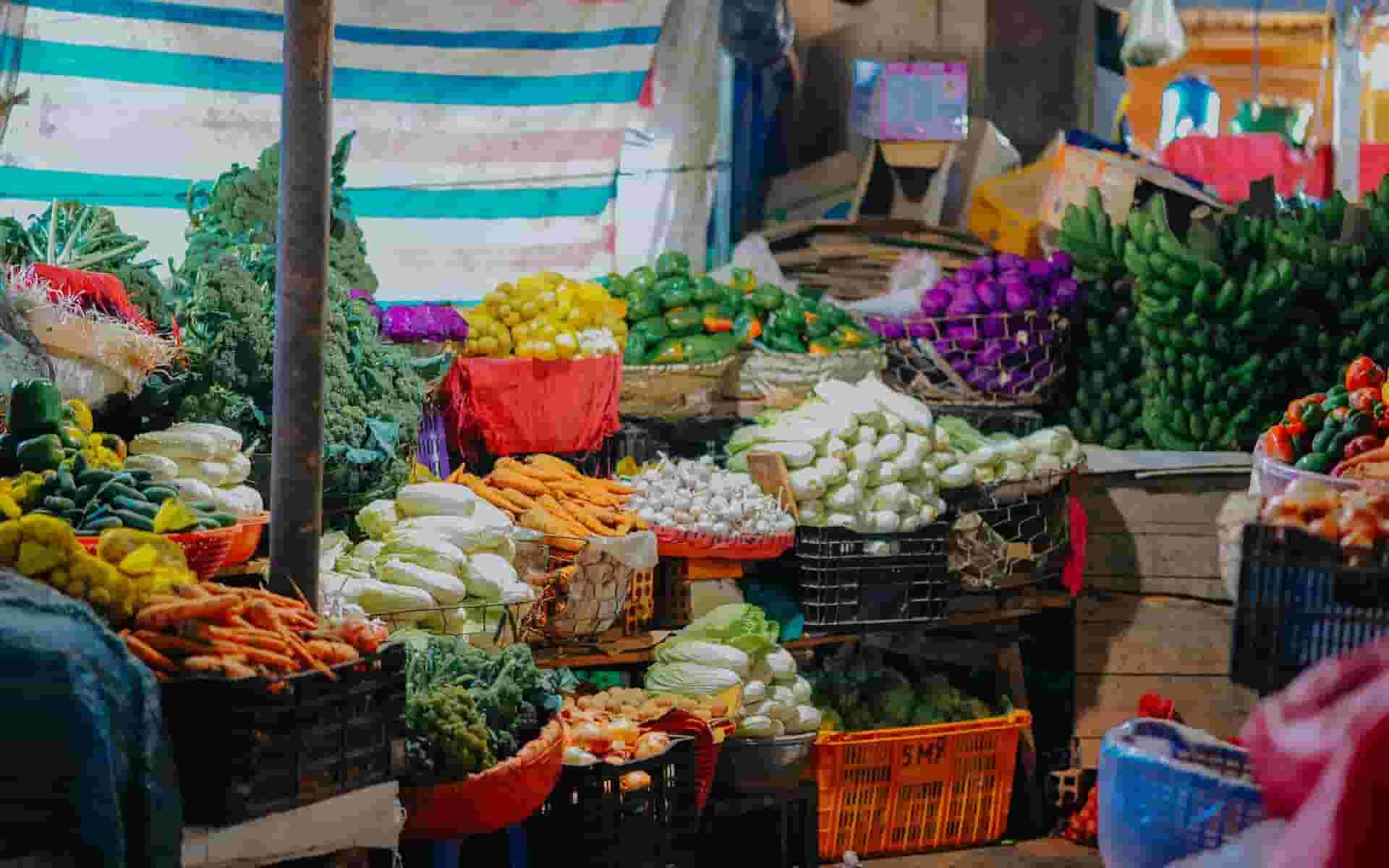
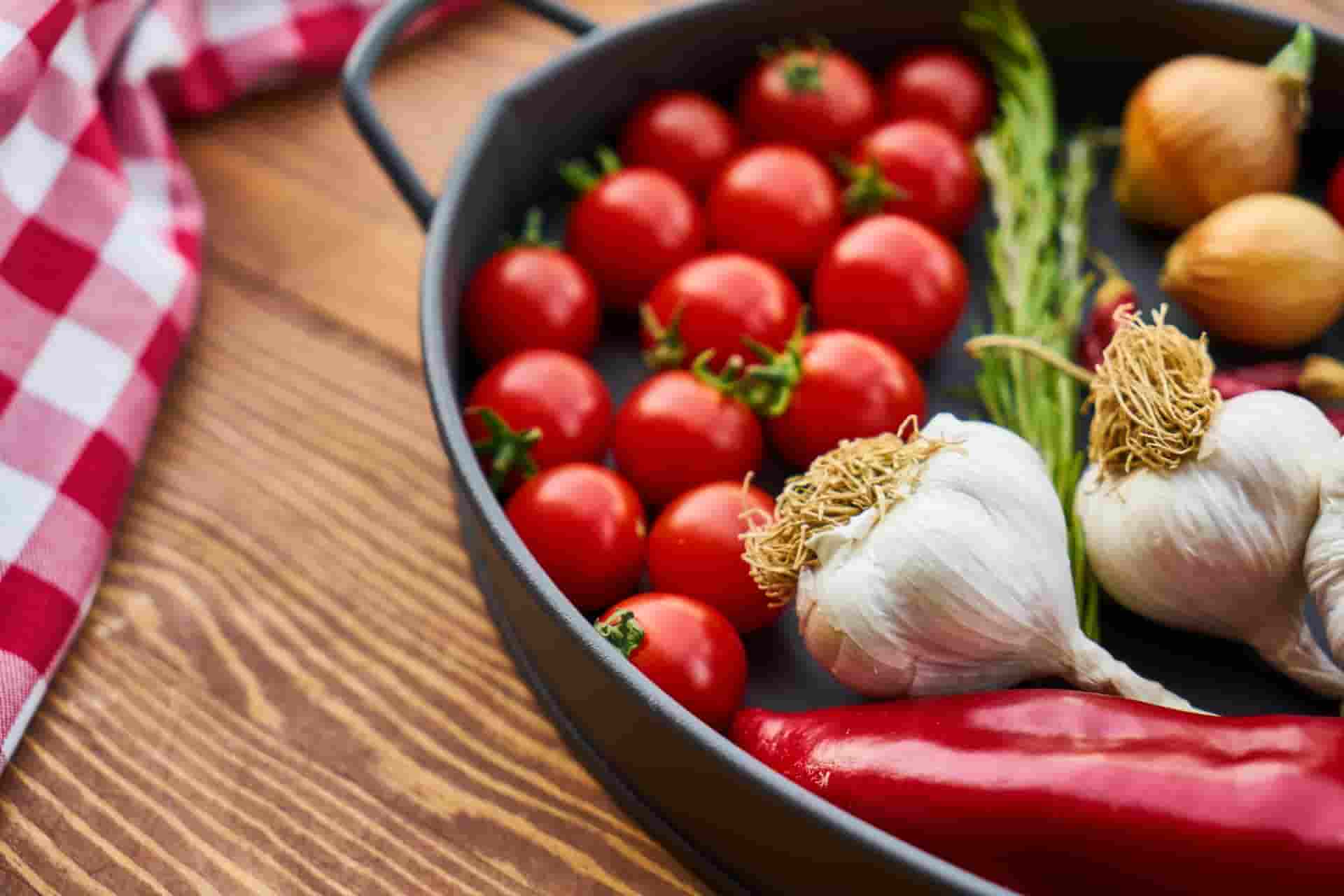
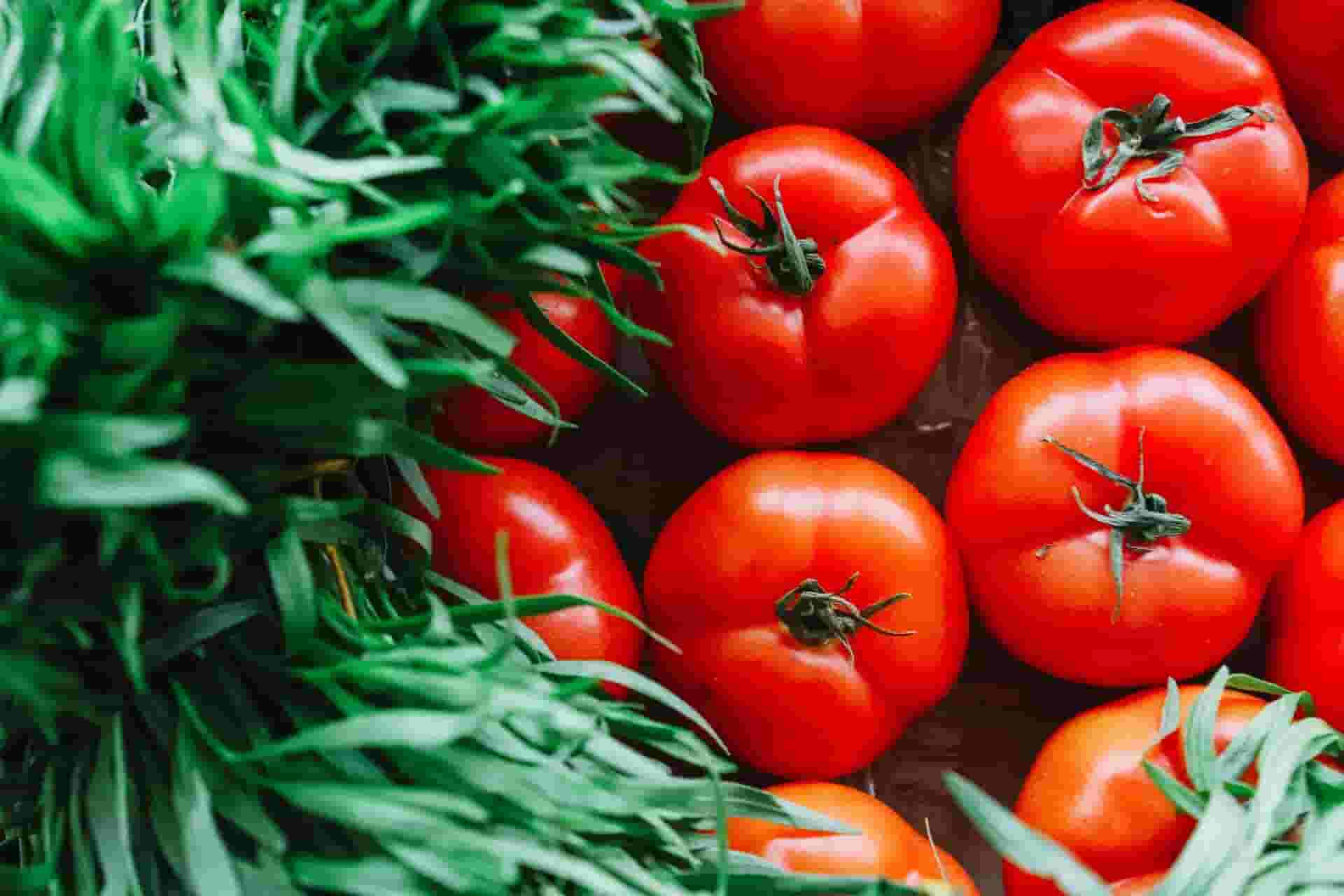
The very fact that it is included in UNESCO's list of intangible world heritage shows how good the Mediterranean diet is. We are lucky that this type of diet is a natural choice for our climate, so adopt its postulates. Eat seasonal foods, buy food from local growers, or better yet, grow it in your own garden. Be moderate in the consumption of meat, milk and dairy products and industrial products. Prepare legumes such as beans, lentils, chickpeas and berries several times a week. Cereals are part of the daily diet in the Mediterranean, but in addition to rice, pasta and potatoes, try to prepare dishes with orze, millet and buckwheat. Enrich dishes with Mediterranean herbs and spices. To prepare the sauce, use tomatoes. Eat different seasonal vegetables and fruits every day. Eat fish and seafood several times a week, and use olive oil to prepare meals. Salt food in moderation. In moderate amounts, it is necessary for human health, but in larger amounts it is a danger to human health and is a leading risk factor for hypertension. Be moderate in salting dishes and consuming foods that contain large amounts of salt. Replace part of the salt with Mediterranean herbs and spices. The benefits of spices are multiple: they reduce salt intake, they enrich the dish with additional vitamins and minerals, they contribute to a better taste and smell of the dish, and almost all spices are also medicinal. I'll keep an eye on which fats are good choices for my heart You don't need to cut fat out of your diet completely to keep your heart healthy. It is important to consume foods rich in saturated fatty acids in moderation, such as foods of animal origin (meat, milk and dairy products, animal fats), but also in some foods of vegetable origin, such as palm oil and today's current coconut oil. Trans fatty acids, which you can find in industrial products, also have an adverse effect on the heart. In the body, they behave similarly to saturated fatty acids, which is another reason for a moderate intake of industrial ready-made and semi-ready meals. The intake of fish and omega-3 fatty acids has a beneficial effect on the health of your heart, so it should be on your menu as often as possible. Omega-3 fatty acids can be found not only in fish but also in flax seeds and oil (you can add them to salads, fresh cheese spreads or yogurt). Other foods that are good for heart health include seeds (chia, sunflower, pumpkin, sesame) and nuts (walnuts, hazelnuts, almonds). I eat fruits and vegetables every day. Fruits and vegetables are rich in vitamins and minerals, fiber and numerous antioxidants. Red vegetables such as tomatoes, red peppers, radishes, green leafy vegetables such as spinach, swiss chard, cabbage, lettuce improve heart function, lower cholesterol, slow down aging, have anti-cancer properties and a significant role in lowering blood pressure. All vegetables have a certain role in the health of a person, especially his heart, so we can say that the more colorful the plate, the better. The same rule applies to fruit. In addition to the already well-known apple as a guardian of health, citrus fruits as a source of vitamin C, berry fruit, which is neglected today, should also be highlighted. Different colors and flavors, rich in vitamins, minerals, antioxidants and polyphenols, apart from being tasty, it has a beneficial effect on human health. Add it to your morning meal with cereal and milk or yogurt, you can also add it to fresh cheese for a snack or to yogurt combined with honey, freeze and consume as ice cream.