Basics of a healthy diet
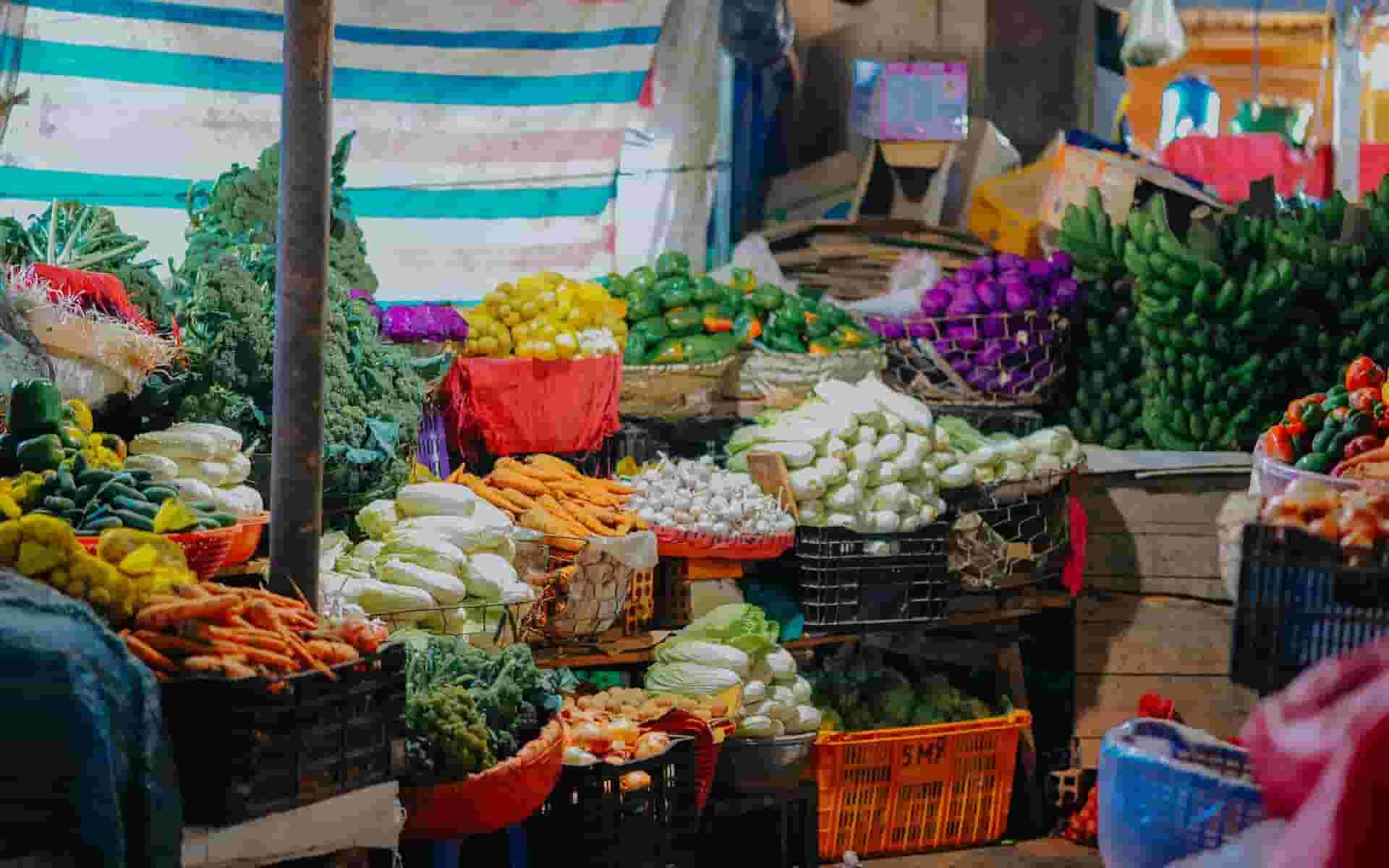
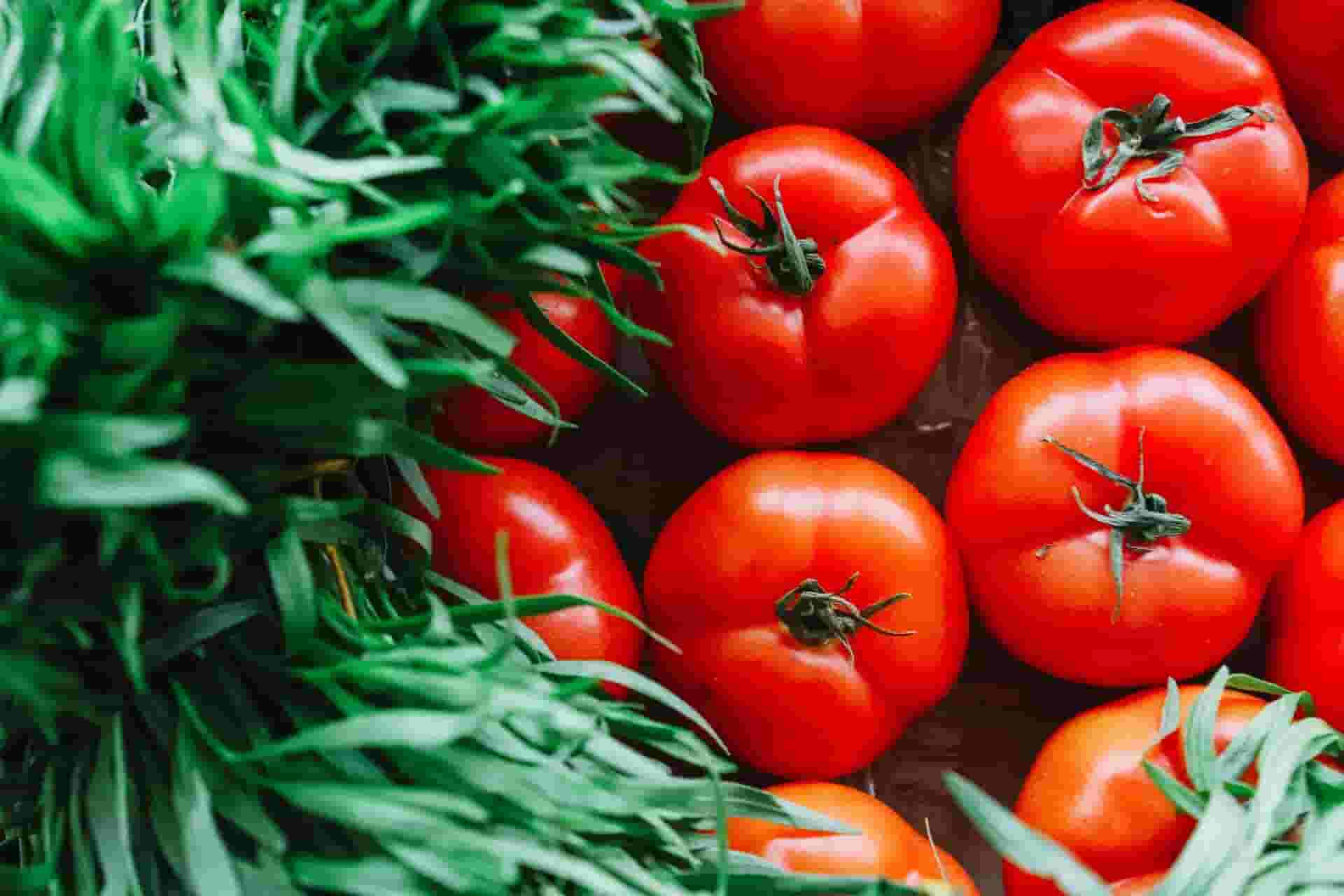
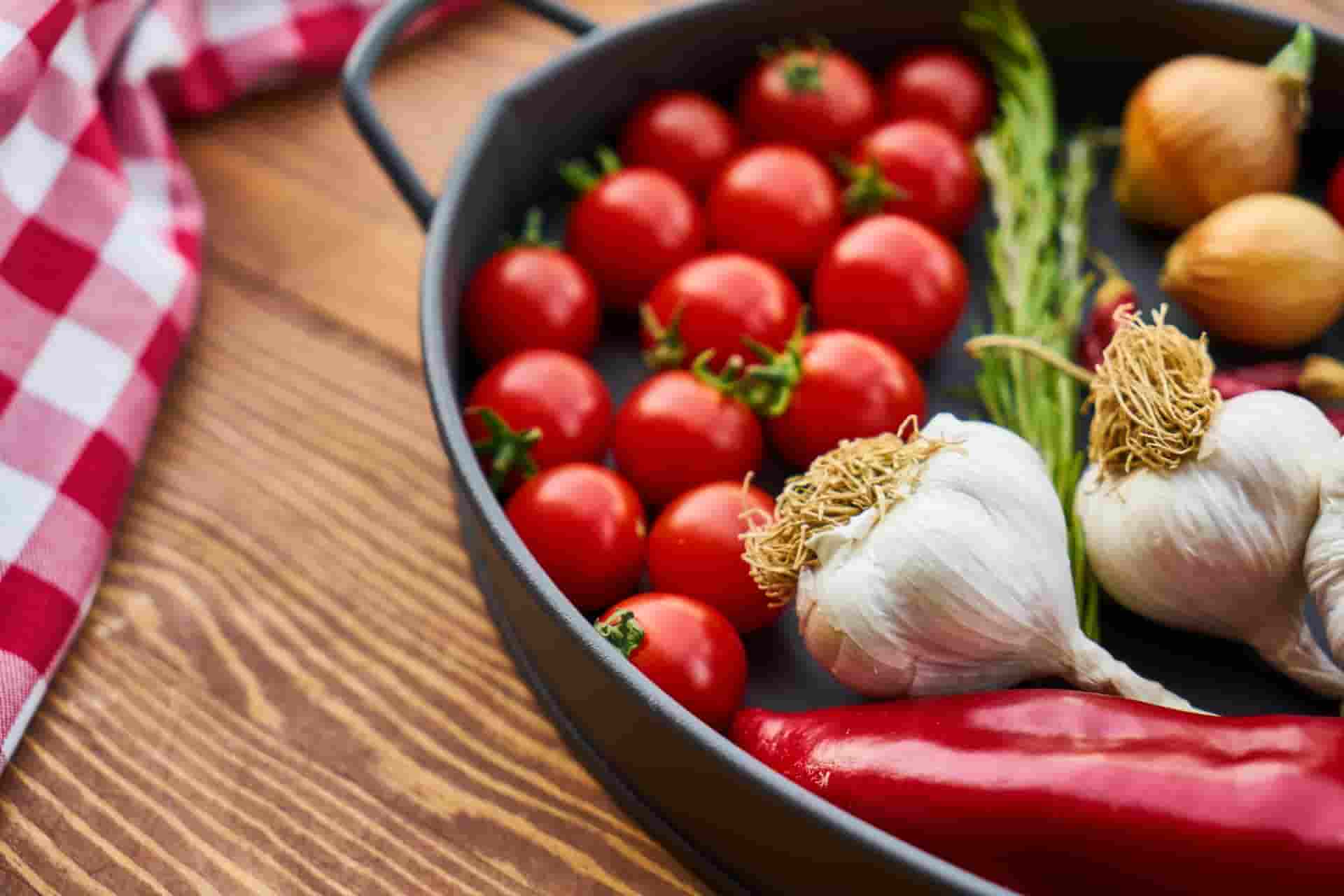
Diversity and moderation is the basis of a proper diet. We should eat a variety of food, because this is the only way we can provide all the necessary substances, and also prevent excessive intake of undesirable substances. It would be ideal to divide the daily intake into 3 main meals and 2 snacks. Milk and milk products should be included in the daily menu, as well as foods from the meat and fish group, poultry, eggs, legumes, nuts and seeds. Cereals and cereal products, as well as fruits and vegetables, should be provided on a daily basis, with seasonal fresh fruits and vegetables being predominantly used, and frozen ones can also be used if they are lacking. Pay attention to the presence of various fruits, especially vegetables (radiche, lettuce, cabbage, beets, spinach, Swiss chard, tomatoes, etc.). Food products with a high content of fat, sugar and salt should be prepared infrequently and in relatively small quantities. Of the desirable fats, it is recommended to use unsaturated fatty acids (oils of plant origin): pumpkin oil, oil obtained from wheat germ, from oilseed rape, and flax, sunflower, soybean and olive oil and corn germ oil. Use margarine, but without trans fatty acids. Saturated fatty acids such as lard and tallow should be avoided, and butter should be used in moderation. Use lean meat such as poultry, veal, lean lamb, lean beef and rabbit. Reduce the use of meat and other dishes with a high percentage of fat (salami, prosciutto, fatty cheeses, pork), and choose the one with a lower percentage of fat. At least once in seven days, make your source of protein be soybeans, beans, lentils or peas. When planning the menu, avoid high-calorie sauces, mayonnaise, tartar sauces, cheese sauces, and limit the intake of saturated fats to 10% of the total calorie intake. Preferred foods are: blue fish, legumes, whole grain products (whole grain bread, whole grain rice and pasta), fresh fruits and vegetables. A large intake of salt is not recommended, so salt food moderately. It is also necessary to be careful how to thermally process food. It is preferable to cook vegetables in steam or in a small amount of water. Meat and fish should be prepared with as little fat as possible, and all visible fat should be removed from the meat. When sautéing, also use a small amount of oil and take into account the amount of oil needed for seasoning salads and vegetables. It is recommended to enrich the taste of the dish with various spices (oregano, chives, garlic, parsley, basil, etc.). It is necessary to cook food as often as possible (especially steam) or stew, and avoid baking in deep fat, breading, frying, cooking with a splash. Food is no longer viewed only from the aspect of adequate intake needs for proper growth and development. Today, it has one of the leading roles in the quality of human life, in the prevention, treatment and healing of many diseases. Ingredients such as vitamins, minerals, phytochemicals found in food have a protective effect against diseases such as cancer, diabetes, high blood pressure, heart disease and osteoporosis. Some chemicals in food can also slow down aging. More and more people are talking about food that has positive effects on health, especially because of diseases that are common in the developed world, and are th e result of improper nutrition and not taking in certain ingredients from food. We determine our future by eating food. Medicine and nutrition in cooperation are increasingly discovering the great impact of a proper lifestyle and diet on the overall health of the population, and scientists have confirmed that a proper diet and a healthy and orderly life can be a prerequisite for combating today's deadly chronic degenerative diseases.